
About the project
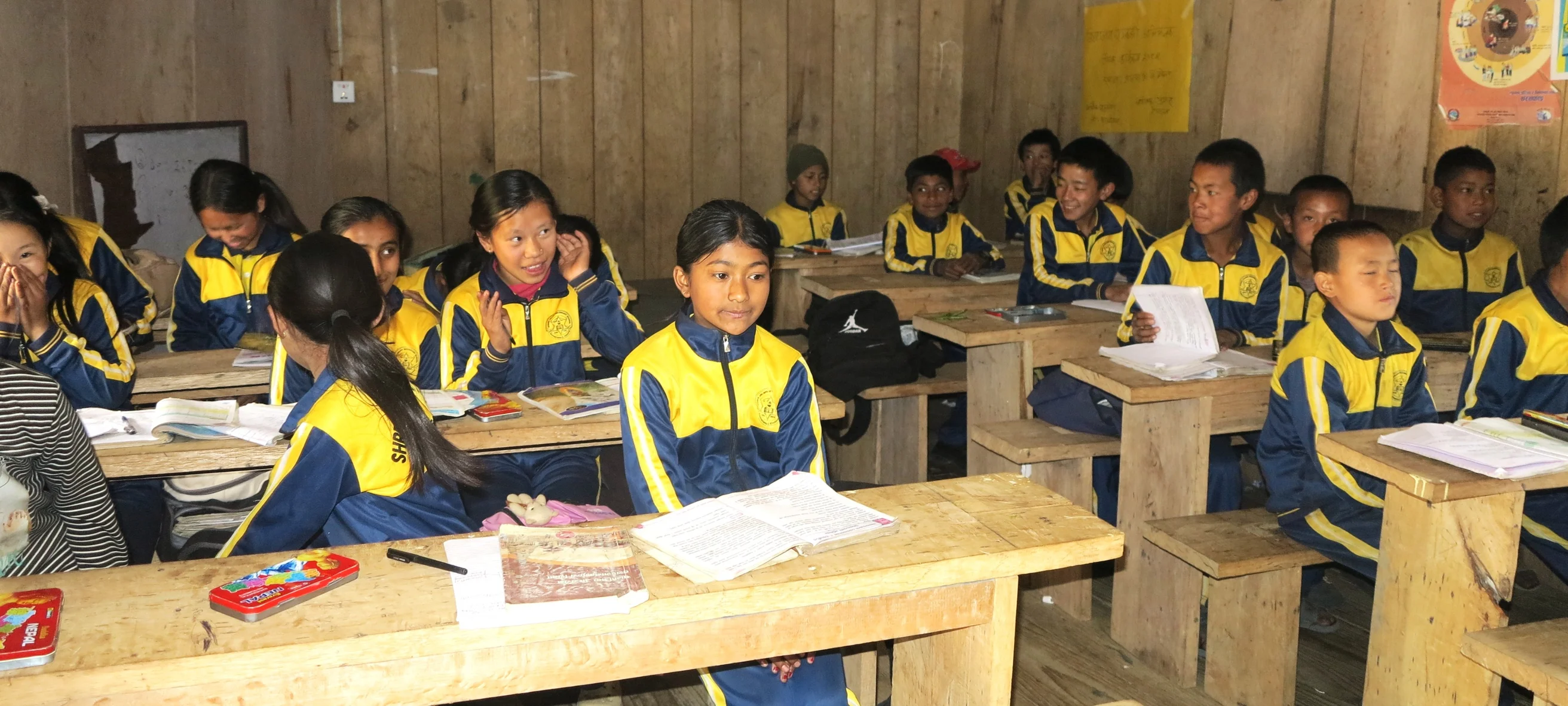
In remote Ward No. 2 (Bakachol) of Aiselukharka Municipality in Khotang District, Koshi Province, eastern Nepal, 378 children and young people attend five public schools under challenging conditions. Teachers have very limited access to professional development, teaching remains largely teacher-centred and theoretical, and early childhood education is inadequate. Structured life skills programmes, psychosocial support and age-appropriate health education are largely absent. The physical learning environment is also in poor condition: classrooms are damaged, furniture is scarce, and fewer than 40% of students have access to functioning sanitation facilities. Safe sanitation options for girls are almost entirely lacking. This contributes to absenteeism and school dropout, particularly among girls and children with disabilities.
The project therefore focuses on the 378 students attending the five public schools: 46 preschool children, 187 primary school students and 145 adolescents. Particular attention is given to girls, children from marginalised ethnic groups and children with disabilities – groups that are disproportionately affected by the challenges described above. The project also involves 51 teachers, school management staff, members of school management committees and parent-teacher associations (PTAs), as well as local authorities.

Project Objectives in Nepal
Improved Quality of Education and Holistic Development
Ten kindergarten teachers and 15 primary school teachers are trained in inclusive, student-centred and ICT-supported teaching methods and receive ongoing support through mentoring and peer learning. Five kindergarten classrooms are equipped with age-appropriate learning materials. All school management staff, members of school management committees and PTAs receive training in school leadership and parental engagement.
In addition, structured life skills programmes are delivered to 332 children and young people in 25 sessions. Twenty-five teachers are trained as focal points for psychosocial support, and three girls’ groups are established. Fifteen teachers receive training on adolescence and sexual and reproductive health. Students in grades 8–10 also receive career guidance.
Child-Friendly Learning Environment and Functional WASH Infrastructure
At least 10 classrooms will be renovated, including floors, windows, doors, lighting and ventilation, and equipped with child-friendly furniture. Five ICT learning corners with smartboards and 48 whiteboards will be set up. Three school gardens with greenhouses will strengthen nutrition awareness and practical learning.
At four schools, toilet facilities will be renovated or newly constructed, handwashing stations installed and access to safe drinking water ensured, in line with national WASH standards and with gender- and disability-inclusive designs. WASH committees will be established at all five schools and trained in the operation and maintenance of the facilities.
Project Area: Koshi Province, Khotang District, Ward No. 2 (Bakachol), Aiselukharka Municipality
Frequently Asked Questions
The pilot project runs from March to December 2026. It will also serve to assess the potential for a longer-term collaboration on a regular primary education project in remote mountainous regions of Nepal.
All measures are integrated into the school development plans of the selected project schools. Trained key teachers, functioning WASH committees and strengthened school gardens help ensure that activities continue beyond the end of the project. The infrastructure will be formally handed over to the local authorities, while schools and municipalities share responsibility from the outset.
Responsible Local Partner Organisation
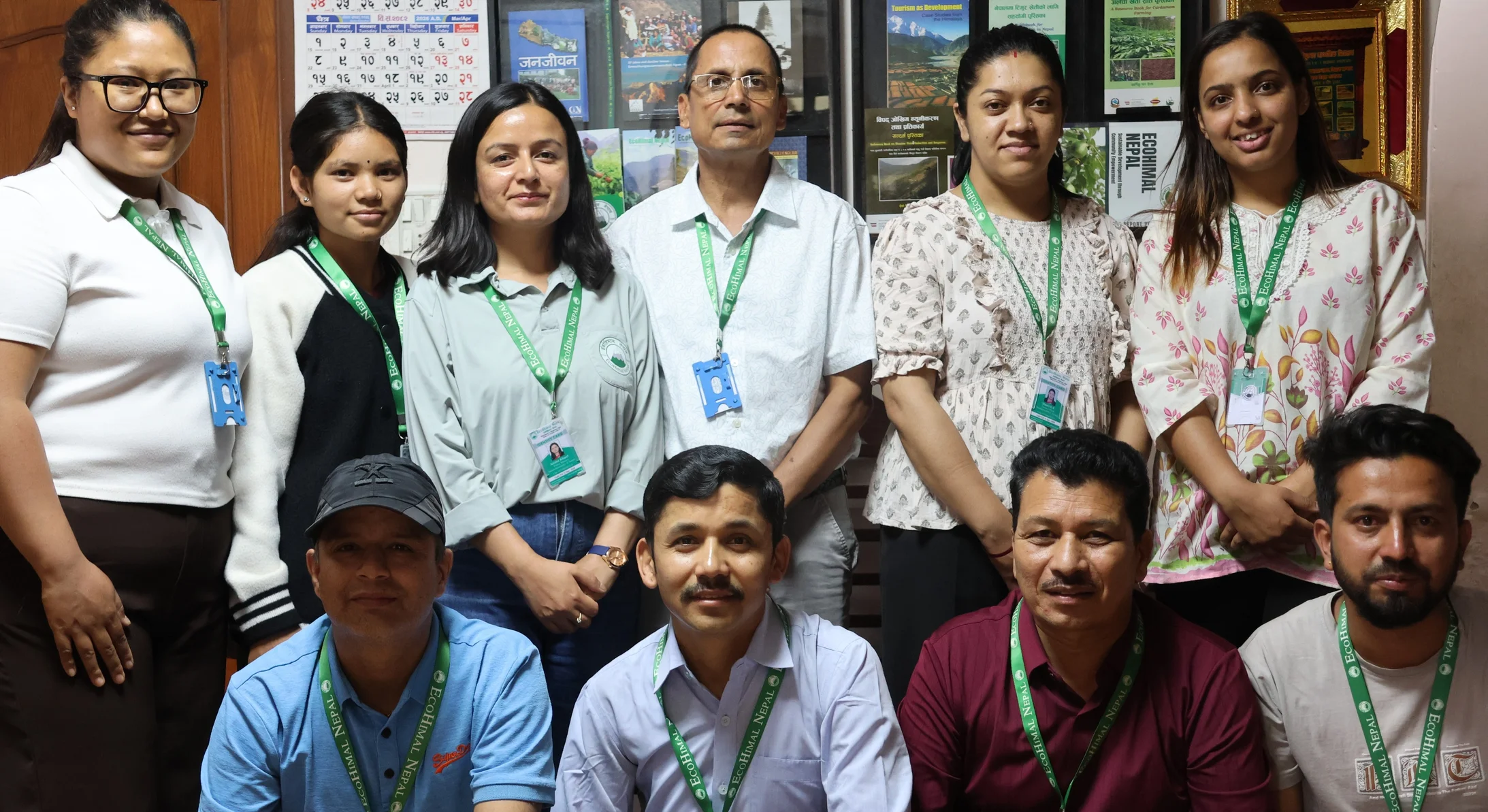
The partner organisation Eco Himal Nepal is a Nepalese NGO founded in 2009. Its mission is to strengthen communities in particularly remote and mountainous regions. Its current projects focus primarily on health, hygiene and primary education. A participatory approach is at the very heart of the organisation’s work.